

 By
By Exploring the great outdoors—whether hiking in a national park, climbing rocky terrains, or trekking through dense forests—offers thrilling adventures. But it also presents unique challenges. Understanding basic survival skills is crucial for anyone venturing into the wild. Whether you’re an experienced outdoorsperson or a beginner, here are 10 essential wilderness survival skills that can make all the difference in an emergency situation.
1. Wilderness Awareness
Before you head out, it’s important to understand the land you’re navigating. Wilderness awareness involves knowing your environment, recognizing local plants and animals, and understanding the potential dangers in the area.
- Terrain Knowledge: Learn about the area’s landscape and topography. Understanding the location of water sources, valleys, and ridges can help with navigation.
- Flora and Fauna: Recognize edible plants, poisonous species, and wildlife behavior. Being familiar with local ecosystems helps you find food, water, and avoid hazards.
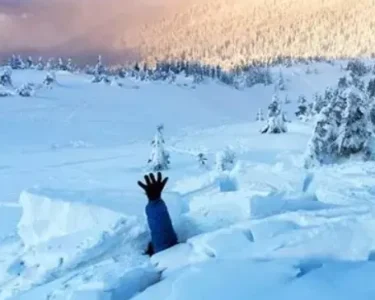
- Weather and Local Hazards: Know the area’s typical weather patterns and climate. Be prepared for sudden changes and know what natural disasters could occur, like flash floods or avalanches.
- Situational Awareness: Constantly assess your surroundings for potential risks and changes, such as wildlife activity or shifts in weather.
2. Navigation Skills
Knowing how to find your way when the trail disappears or if you get lost is essential.
- Map and Compass: Understand how to read topographic maps, which show the elevation of landforms and important features. Learn to use a compass to find your direction.
- Natural Landmarks: Use physical features like ridges, rivers, or distinctive landmarks to guide you.
- GPS Back-Up: While GPS devices are useful, it’s critical to know traditional navigation methods in case the device fails.
- Sun and Stars: Recognize the position of the sun or stars to help orient yourself, especially at night.
3. Firecraft
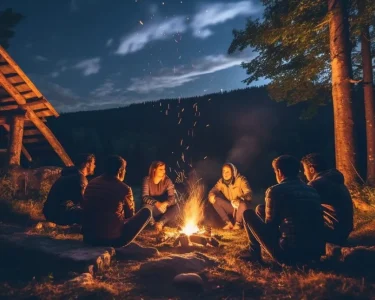
Mastering fire-starting techniques is one of the most valuable wilderness survival skills. Fire provides warmth, a way to cook food, and can be used for signaling.
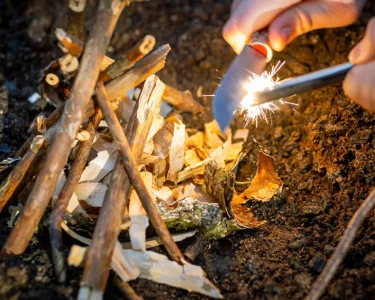
- Fire Starting Methods: Practice with tools like ferrocerium rods, waterproof matches, or flint and steel. Learn to use friction methods like the hand drill and bow drill.
- Tinder and Kindling: Gather dry materials like leaves, bark, and twigs to start a fire. Make sure to choose the right type of tinder and kindling to get your fire going.
- Fire Safety: Always build your fire in a safe location, away from dry vegetation or overhanging branches. Use fire responsibly to prevent wildfires.
4. Water Procurement
In any wilderness situation, clean drinking water is a top priority. Knowing how to find, purify, and store water could be life-saving.
- Identifying Water Sources: Look for rivers, streams, and lakes. Even rainwater or dew can be collected if necessary.
- Purification Methods: Always purify natural water by boiling, using water purification tablets, or filtering it through portable devices.
- Water Conservation: Conserve your water by drinking small sips and avoiding activities that cause excess sweating.
5. Shelter Building
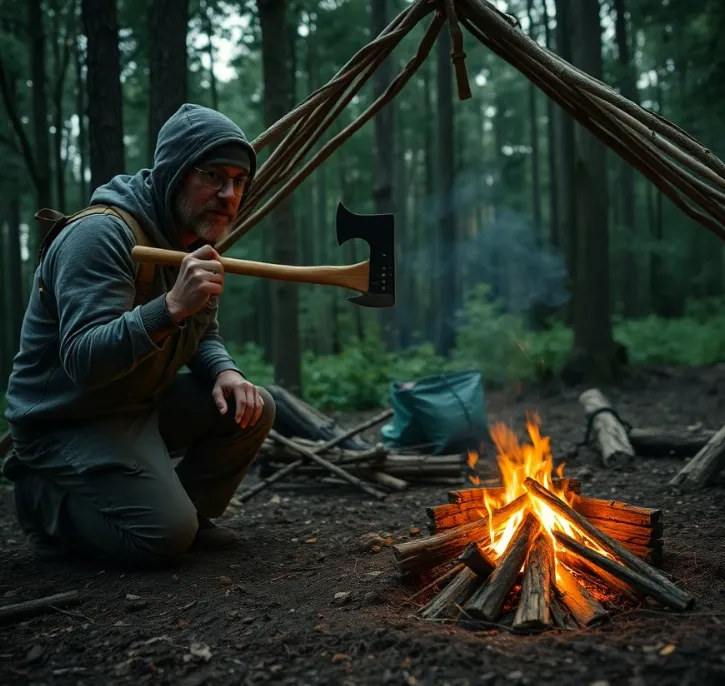
In extreme conditions, building a shelter can mean the difference between life and death. Understanding how to use natural materials is a crucial skill.
- Types of Shelters: Depending on the environment, you can build shelters like a tarp lean-to, debris hut, or even a snow cave in colder climates.
- Insulation and Protection: Your shelter should keep you dry and protect you from the elements. Learn how to insulate your shelter using leaves, branches, or snow.
6. Wilderness First Aid
Accidents and injuries are inevitable in the wilderness. Knowing how to address common health issues is critical.
- Wound Care: Learn how to clean and dress wounds to prevent infection.
- Fractures and Sprains: Understand how to stabilize broken bones and sprained joints using improvised splints.
- Heat and Cold Injuries: Recognize signs of hypothermia and heat exhaustion, and know how to treat them to prevent serious complications.
7. Food Procurement
While it’s important to pack enough food, learning how to forage and hunt in the wild extends your survival chances.
- Foraging: Familiarize yourself with edible plants, berries, and insects. Be sure to understand which parts are safe to eat and how to prepare them.
- Fishing and Hunting: Learn the basics of trapping, fishing, and hunting in the wilderness. Always be aware of local regulations regarding hunting and fishing.
8. Wildlife Awareness
Understanding animal behavior and how to avoid dangerous encounters is essential.
- Animal Behavior: Learn to identify signs of animal activity, such as tracks and scat. Understand which animals are dangerous and how to avoid them.
- Bear and Snake Safety: If you’re in bear or snake territory, know how to store food safely, use deterrents, and stay alert to animal movements.
9. Emergency Signaling
In case of emergency, being able to signal for help is essential for your survival.
- Signaling Devices: Carry devices like whistles, mirrors, and signal flares to attract attention. A personal locator beacon (PLB) can also send distress signals to search and rescue teams.
- Fire Signals: A large, smoky fire can be seen from a distance and serves as a distress signal.
- Ground Signals: Create large SOS symbols or other distress signals with rocks or logs that can be spotted from the air.
10. Risk Management
Knowing when to take action and when to retreat is a vital survival skill.
- Assessing Risk: Before embarking on an adventure, assess the risks. Be prepared to alter or cancel plans if conditions are too dangerous.
- Know Your Limits: Always prioritize safety over completing a mission. If you’re lost or injured, staying put and waiting for help is often the safest option.
Surviving in the wilderness is about being prepared, staying adaptable, and respecting the environment around you. With the right skills and mindset, you can tackle the challenges of nature confidently. So, get out there, practice these essential survival skills, and enjoy your outdoor adventures with peace of mind knowing you’re ready for anything the wild may throw your way.