

 By
By Venturing into the backcountry can be a thrilling adventure, but it’s also fraught with risks. Whether you’re an experienced outdoorsperson or a novice, no one is immune to making mistakes that can lead to dangerous situations. Proper planning, preparation, and mindfulness can make all the difference between a successful trip and a potentially life-threatening ordeal. Here are ten common backcountry mistakes and tips on how to avoid them.
1. Poor Clothing Selection
Your clothing is your first line of defense against the elements, and choosing the wrong gear can quickly lead to serious consequences. It’s not just about fashion—it’s about survival. Many hikers make the mistake of wearing cotton clothes, which absorb moisture and can leave you exposed to hypothermia. Opt for moisture-wicking base layers, insulating mid-layers, and a weather-resistant outer layer to protect yourself from the cold, wind, and rain. Remember, layering is key to regulating body temperature in the backcountry.
2. Bad Route Choices
Sometimes the most direct path isn’t always the safest. When selecting a route, consider natural obstacles like rivers, cliffs, or dense forests. While shortcuts may seem tempting, these can lead to dangerous situations if you aren’t prepared for hidden hazards such as landslides or boulder fields. Always carry a topographic map and know how to read it. Planning your route with caution will help you avoid risky terrain and ensure a safer journey.
3. Underestimating Risks
A hike that begins as a simple, pleasant walk can quickly escalate into a survival situation if you don’t prepare for the unexpected. You never know when the weather will change or when an injury may occur. Whether it’s a sprained ankle, an allergic reaction, or a sudden storm, always be ready for potential risks. Assume that things can go wrong and pack accordingly, even if you’re familiar with the area. The best approach is to plan for the worst while hoping for the best.
4. Inability to Start and Maintain a Fire
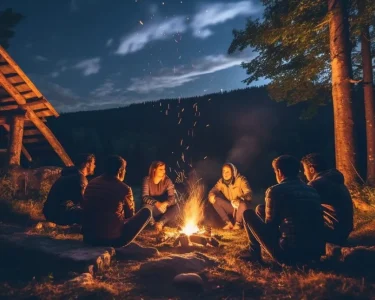
A fire is not just a luxury in the wilderness—it’s a lifesaver. Whether it’s for warmth, cooking, or signaling for help, knowing how to start and maintain a fire in challenging conditions is a critical survival skill. A simple Bic lighter may fail in cold weather, and matches can be rendered useless by wind. Always bring multiple fire-starting tools and practice using them before heading out. Having the ability to build a fire when it matters most can make a huge difference in a survival situation.
5. Lack of Shelter Knowledge
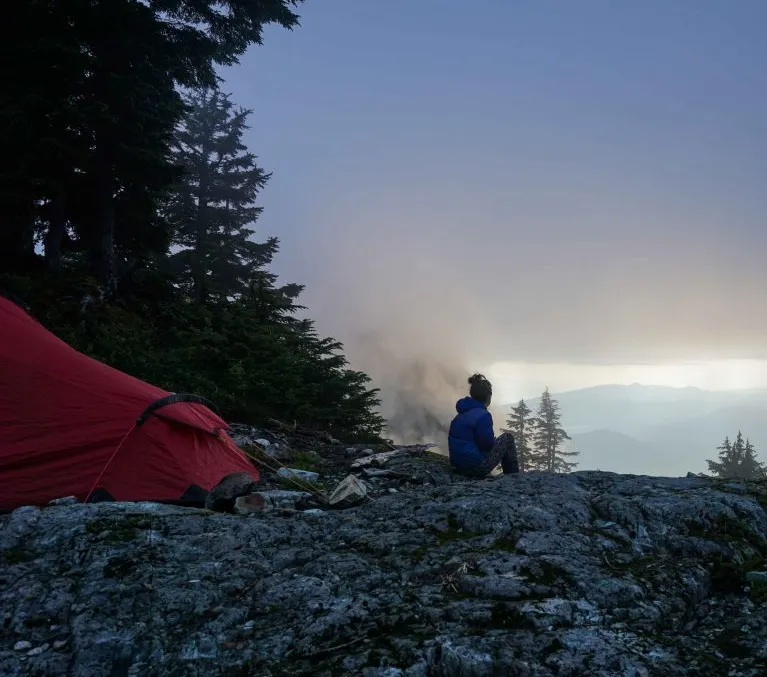
Many outdoor enthusiasts head into the backcountry without considering shelter, assuming they’ll be back before dark. However, being caught in the wilderness overnight can be dangerous without proper shelter. Exposure to the elements, especially wet or cold conditions, can lead to hypothermia or heatstroke. Learn how to build a basic shelter using natural resources, and always carry a lightweight emergency shelter, like a rain poncho, to protect yourself from exposure.
6. Not Purifying Water
Water is essential for survival, but drinking untreated water can lead to illness from waterborne pathogens. It’s crucial to carry water purification methods, such as filters, purifiers, or iodine tablets, to ensure the water you find is safe to drink. Never rely on primitive filtration methods, as they only remove dirt and debris but won’t kill harmful bacteria. Boiling water is the most effective way to purify it, especially in emergency situations.
7. Not Informing Someone About Your Trip
One of the most overlooked safety precautions is telling someone your plans before heading into the backcountry. Whether you’re going on a day hike or an extended trip, always leave a trip plan with a friend or family member. Include details such as your destination, route, and expected return time. If your plans change, be sure to update the person you informed. This simple step can save your life if you find yourself in trouble and need rescuing.
8. Not Stopping to Camp When Lost
One of the most common mistakes when lost in the wilderness is continuing to move in the hopes of finding your way. In reality, if you don’t know your location, moving can only make things worse. Instead, stop, stay put, and make camp. This makes it easier for search teams to find you, and it conserves your energy. Build a shelter, start a fire, and signal for help. Staying calm and thinking clearly is essential in these situations.
9. Being Unprepared to Spend the Night
Sometimes, despite the best plans, you might end up stuck overnight in the wilderness. Being unprepared for this scenario can quickly turn uncomfortable, or worse, life-threatening. Always carry basic survival gear such as a fire starter, a warm layer of clothing, food, and a shelter system. It’s not just about having the gear; it’s also about knowing how to use it. Practice your skills before heading out so that you can confidently handle an unexpected overnight stay.
10. Inability to Signal for Help
In a worst-case scenario, knowing how to signal for help can be a matter of life and death. If you find yourself unable to get back on track or in need of assistance, ensure you have signaling devices such as whistles, mirrors, or bright cloth panels. Additionally, high-tech devices like cell phones, satellite phones, and GPS locators can help rescuers find you. Even if your phone has no signal, dialing 911 might still reach emergency services. Always carry a whistle or some method of attracting attention to maximize your chances of being found.
Conclusion
By avoiding these common mistakes and being properly prepared, you can dramatically increase your chances of having a safe and successful adventure in the backcountry. The key to outdoor survival is to plan for the unexpected, stay calm under pressure, and always be ready to adapt to changing conditions. Stay safe, and enjoy your time in the wild!